

Can basalts be used in the production of ceramics?
Sep 29, 2025
Hey there! As a basalt supplier, I often get asked if basalts can be used in the production of ceramics. Well, let's dive right into this topic and find out.
First off, what exactly are basalts? Basalts are igneous rocks that form from the rapid cooling of lava. They're super common and can be found all over the world. You might see them in volcanic areas, where they've been spat out by erupting volcanoes and then cooled down quickly. Basalts are known for their dark color, usually black or dark gray, and they have a fine - grained texture.

Now, let's talk about ceramics. Ceramics are made by heating up certain materials to high temperatures and then shaping them. They can be used for all sorts of things, like making dishes, tiles, and even some high - tech components. The materials used in ceramics are typically clays and other minerals.
So, can basalts fit into this ceramic - making process? The answer is a big yes! Basalts have some properties that make them a great candidate for ceramic production.
One of the key things about basalts is their chemical composition. They contain a good amount of silica, alumina, and other minerals. Silica is a crucial ingredient in ceramics as it helps to give the final product strength and durability. Alumina, on the other hand, can improve the heat resistance of the ceramic. When these elements are present in basalts, it means that basalts can contribute to making high - quality ceramics.
Another advantage of using basalts in ceramics is their availability. Since they're so common, it's relatively easy to source large quantities of basalt. This is a huge plus for ceramic manufacturers who need a steady supply of raw materials. And as a basalt supplier, I can ensure that you get a consistent quality of basalt for your ceramic production.
In terms of the physical properties, basalts have a relatively low melting point compared to some other rocks. This means that when you're making ceramics, you don't need to use as much energy to melt the basalt and incorporate it into the ceramic mixture. It's not only cost - effective but also more environmentally friendly.
Let's take a look at some of the potential applications of basalt - based ceramics. One area where they can be really useful is in the production of tiles. Tiles made with basalt can be extremely hard - wearing and resistant to scratches. They're perfect for high - traffic areas like kitchens and bathrooms. You can check out Solid Grand Antique Marble Stair Steps for some inspiration on how beautiful and durable stone products can be.
Basalt - based ceramics can also be used in the creation of decorative items. The unique color and texture of basalt can add an interesting aesthetic to vases, sculptures, and other decorative pieces. If you're into high - end kitchen countertops, you might be interested in Beautiful 30 Inch Brazilian Black Gold Quartzite Island Countertops. The same attention to quality and uniqueness can be applied to basalt - based ceramics.
Moreover, in some industrial applications, basalt - based ceramics can be used as refractory materials. Refractory materials are those that can withstand very high temperatures without melting or deforming. Basalt's heat - resistant properties make it a great option for lining furnaces and other high - temperature equipment. For example, the 50mm Polishing Verde Lapponia Quartzite Hearth shows how a stone product can handle high - heat situations, and basalt - based ceramics can offer similar performance.
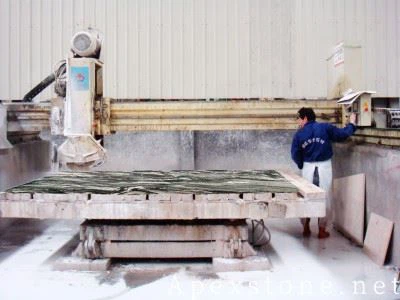
But, of course, there are also some challenges when using basalts in ceramic production. One of the main issues is the need to process the basalt properly. Basalt needs to be crushed and ground into a fine powder before it can be mixed with other ceramic materials. This requires specialized equipment and expertise. However, as a basalt supplier, I can work with you to ensure that the basalt is processed to the right specifications for your ceramic production.
Another challenge is the variability in the composition of basalts. Different sources of basalt can have slightly different chemical and physical properties. This means that you need to test the basalt carefully before using it in large - scale ceramic production to make sure it meets your quality standards.
Despite these challenges, the benefits of using basalts in ceramics far outweigh the drawbacks. The potential for creating high - quality, cost - effective, and environmentally friendly ceramics is huge.
If you're a ceramic manufacturer or someone interested in using basalt for ceramic projects, I'd love to hear from you. I can provide you with samples of our basalt so you can test them out and see the potential for yourself. Whether you're looking to make tiles, decorative items, or industrial ceramics, our basalt can be a great addition to your production process.
In conclusion, basalts are definitely a viable option for ceramic production. Their chemical composition, physical properties, and availability make them a valuable raw material. So, why not give basalt - based ceramics a try? Let's work together to explore the amazing possibilities that basalt can bring to the world of ceramics.
If you're interested in discussing further about basalt procurement for your ceramic production, feel free to reach out. I'm here to help you get the best basalt for your needs.
References
- "Igneous Rocks: Their Origin, Classification, and Identification" by John J. Winchell
- "Ceramics: Science and Technology" by J. Reed