

What is the wear resistance of pink granites?
Dec 08, 2025
What is the Wear Resistance of Pink Granites?
When it comes to natural stones, pink granites hold a special place in the market, appreciated for their aesthetic appeal and practical applications. As a dedicated pink granites supplier, I've witnessed firsthand the growing demand for this striking stone in various construction and decoration projects. One crucial aspect that potential buyers often inquire about is the wear resistance of pink granites. In this blog post, we'll delve into the science behind their wear resistance, explore its implications for different uses, and highlight how it compares to other natural stones.
Understanding Wear Resistance in Pink Granites
Wear resistance refers to a material's ability to withstand damage caused by friction, abrasion, and contact with other surfaces over time. In the case of pink granites, this property is determined by several factors, including their mineral composition, texture, and porosity.
Pink granites are primarily composed of quartz, feldspar, and mica, with varying proportions of these minerals giving the stone its characteristic color and texture. Quartz, in particular, is a hard and durable mineral with a Mohs hardness scale rating of 7 out of 10, making it highly resistant to scratching and abrasion. feldspar, another major component, also contributes to the overall hardness of the granite, with a Mohs hardness ranging from 6 to 6.5. Mica, on the other hand, is a softer mineral that can influence the stone's appearance but has a relatively minor impact on its wear resistance.
The texture of pink granites also plays a role in their wear resistance. Coarse-grained granites, with larger mineral crystals, tend to be more resistant to wear than fine-grained varieties. This is because the larger crystals provide more surface area and better interlocking, which helps to distribute the forces of friction and abrasion more evenly across the stone.
Porosity is another important factor to consider. Pink granites with low porosity are less likely to absorb liquids and stains, which can cause damage and deterioration over time. Additionally, low porosity reduces the risk of water penetration, which can lead to freeze-thaw damage in colder climates.
Applications of Pink Granites Based on Wear Resistance
The high wear resistance of pink granites makes them suitable for a wide range of applications, both indoors and outdoors. Here are some common uses:
Kitchen Countertops: In the kitchen, countertops are subjected to constant use, including cutting, chopping, and the placement of hot pots and pans. Pink granites' durability and scratch resistance make them an ideal choice for this application. They can withstand the daily wear and tear of a busy kitchen without losing their beauty or functionality.
Flooring: Flooring is another area where wear resistance is crucial. Pink granites can be used in both residential and commercial settings, such as homes, offices, hotels, and retail stores. Their ability to withstand heavy foot traffic and resist scratching and scuffing makes them a practical and long-lasting choice for flooring.
Monuments and Memorials: Pink granites are often used in the construction of monuments and memorials due to their durability and timeless beauty. These structures are exposed to the elements year-round, and the wear resistance of pink granites ensures that they will remain intact and looking their best for decades to come.
Exterior Cladding: For exterior applications, such as building facades and wall cladding, pink granites' wear resistance is essential. They can withstand the harsh effects of weather, including rain, wind, and sunlight, without fading or deteriorating. This makes them a popular choice for adding a touch of elegance and durability to the exterior of buildings.
Comparison with Other Natural Stones
While pink granites are known for their excellent wear resistance, how do they compare to other natural stones? Let's take a look at some common alternatives:
Marble: Marble is a beautiful and elegant natural stone, but it is generally less wear-resistant than granite. Marble has a lower hardness rating on the Mohs scale, typically ranging from 3 to 5, which makes it more susceptible to scratching and etching. However, marble is still a popular choice for certain applications, such as interior walls and decorative features, where its aesthetic appeal is more important than its wear resistance. For instance, Thick Matte Desert Emerald Marble Benchtops are often chosen for their unique appearance, but they may require more maintenance to keep them looking their best.
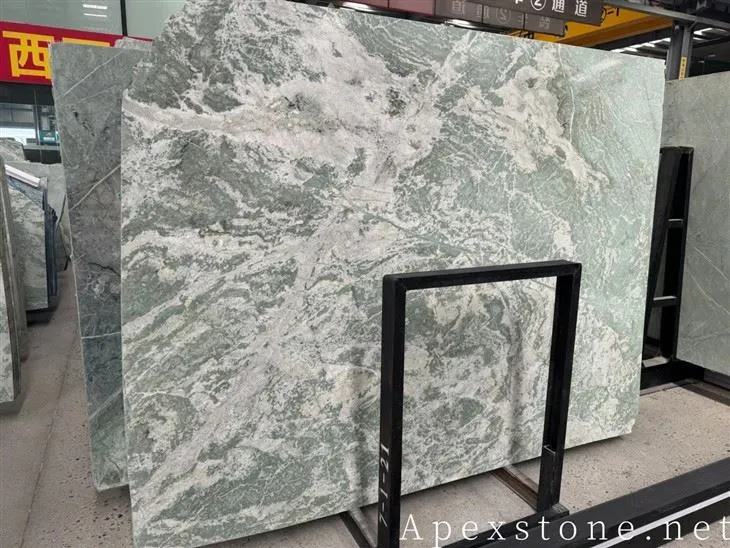
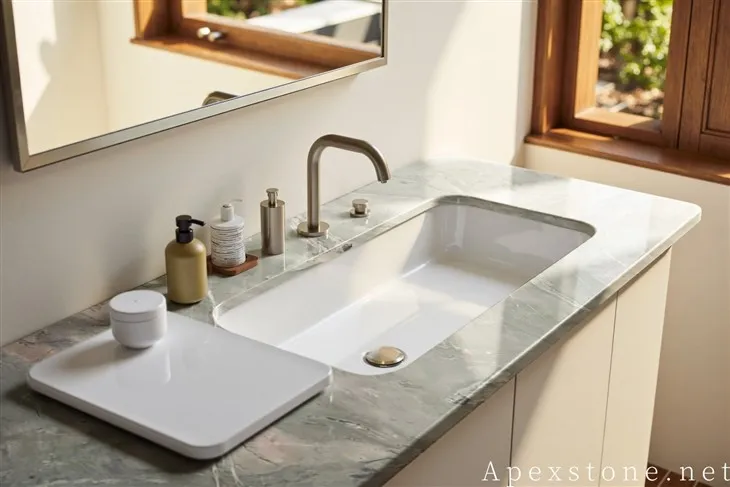
Quartzite: Quartzite is a metamorphic rock that is composed mainly of quartz, making it extremely hard and wear-resistant. Like granite, quartzite has a high Mohs hardness rating, typically ranging from 7 to 8. It is often used in high-traffic areas, such as kitchen countertops and flooring, where its durability is highly valued. Verde Lapponia Quartzite Expensive Green Stone is an example of a high-quality quartzite that is known for its beauty and durability.
Limestone: Limestone is a sedimentary rock that is composed mainly of calcium carbonate. It is a relatively soft stone, with a Mohs hardness rating of around 3 to 4, which makes it less wear-resistant than granite and quartzite. Limestone is often used in interior applications, such as flooring and wall cladding, where its natural beauty and warm tones are desired. However, it may require more frequent sealing and maintenance to prevent staining and damage.
Maintaining the Wear Resistance of Pink Granites
To ensure that your pink granites maintain their wear resistance and beauty over time, proper maintenance is essential. Here are some tips:
Sealing: Sealing your pink granites regularly can help to protect them from stains and damage. The frequency of sealing will depend on the porosity of the stone and the level of use. In general, it is recommended to seal granite countertops at least once a year and exterior surfaces every two to three years.
Cleaning: Use a mild, non-abrasive cleaner to clean your pink granites. Avoid using harsh chemicals or abrasive cleaners, as these can damage the stone's surface. Wipe up spills immediately to prevent staining.
Avoiding Scratches: Use cutting boards and trivets to protect your pink granites from scratches and heat damage. Avoid dragging heavy objects across the surface of the stone, as this can cause scratching and chipping.
Conclusion
In conclusion, the wear resistance of pink granites is one of their most significant advantages, making them a popular choice for a wide range of applications. Their high hardness, low porosity, and interlocking crystal structure ensure that they can withstand the daily wear and tear of both indoor and outdoor use. When compared to other natural stones, pink granites offer a balance of durability and aesthetic appeal that is hard to beat.
As a pink granites supplier, I am committed to providing high-quality stones that meet the needs of my customers. Whether you are looking for a durable kitchen countertop, a beautiful flooring material, or a long-lasting monument, pink granites are an excellent choice. If you have any questions or would like to discuss your project, please don't hesitate to reach out for a purchase negotiation.
References
- "Granite: A Rock of Many Uses" by the United States Geological Survey.
- "Natural Stone Institute: Technical Guides and Resources" for information on stone properties and maintenance.
- "The Properties of Natural Stone" by various industry experts and research papers.