6 seater italian blue Marble dining table
Aug 23, 2025
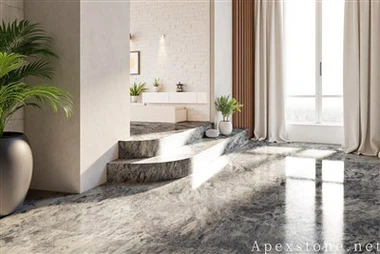
Overall Design Philosophy: Zen Luxury

The goal is to create a "gallery" for the table. The room itself should act as a calm, respectful backdrop that highlights the marble's natural drama. The design will focus on balance, exquisite craftsmanship, and a palette drawn directly from the stone: stark whites, soft greys, and oceanic blues, all grounded by warm, natural materials. The vibe is that of a luxurious, minimalist Italian villa infused with the peaceful spirit of a Japanese tearoom.
1. The Centerpiece: The Palissandro Azzurro Dining Table
This is the undisputed hero of the room. Everything else is designed in relation to it.
The Table: As a solid marble 6-seater, its veining is a unique, flowing artwork. The base is crucial; opt for a design that complements without competing. A sculptural base in matte black metal (e.g., a single pedestal or sleek, geometric legs) provides a strong, modern anchor. Alternatively, a warm wood base in oak or walnut creates a beautiful organic contrast.
Placement: Center the table in the room to allow for circulation and to give it the ceremonial presence it deserves. Ensure there is ample space around it for chairs to be pulled out comfortably.
2. The Floor: A Neutral, Textural Field
The floor must provide a quiet, textured foundation that allows the table to be the star.
Material: Choose wide-plank hardwood flooring in a light, natural finish. Light oak or ash with a matte oil treatment is ideal. The warm, subtle grain of the wood provides a soft, organic contrast to the cool, dramatic hardness of the marble, preventing the space from feeling cold.
Alternative: For a more modern and seamless look, large-format (e.g., 24"x48"), honed limestone or grey porcelain tiles laid in a simple grid pattern create a monolithic, calm base. The honed finish offers a velvety texture that differs from the table's likely polished shine.
Textile Layer: Under the table, place a large, low-pile area rug to define the dining zone and protect the floor. The rug must be large enough for all chairs to remain on it when pulled out. Choose a solid color in a neutral tone-a warm grey, beige, or off-white-that picks up one of the secondary colors in the marble. The rug should be flat and easy to clean, avoiding high piles or busy patterns that would fight with the table.
3. The Walls: A Serene and Luminous Canvas
The walls must recede, creating a soft, luminous backdrop that makes the table and its users the focus.
Color: Select a warm, neutral off-white or a very pale grey with subtle undertones that complement the marble. Avoid cold, stark whites. The goal is to create a sense of enveloping calm, like a soft blanket of mist, against which the marble's veins stand out dramatically.
Material and Texture: For added depth, consider using a Venetian plaster or a textured limewash paint on the walls. This application creates a soft, irregular surface that reflects light beautifully and aligns with the Wabi-Sabi appreciation for handcrafted imperfection. It adds a layer of luxury without any pattern.

4. The Furniture: Functional Sculpture
The remaining furniture must be meticulously chosen for its form and function.
Dining Chairs: The chairs are your key supporting actors. They should provide comfort and aesthetic harmony without overshadowing the table. The perfect choice is a mid-century modern chair in natural oak with a sleek profile, or a simple upholstered chair in a light neutral fabric (like beige or light grey wool). Alternatively, for a bolder contrast, chairs with black frames and light upholstery can look stunning.
Storage: If needed, a low, streamlined sideboard in a matching light wood or in a matte black lacquer provides storage for dinnerware. Its design should be simple and horizontal, maintaining the room's low, grounded feel. On top, display a single, large Ikebana flower arrangement or a solitary ceramic vase.
5. The Decor & Lighting: Intentional Ambiance
Every decorative element must be intentional and meaningful.
Lighting: Lighting is how you curate the experience.
Overhead: Suspend a single, large sculptural pendant directly over the table. A design in textured white paper (washi), black metal, or blown glass provides a soft, diffused glow. It should be a piece of art in itself but not overwhelm the space.
Ambient: Use recessed LED downlights around the perimeter of the room on a dimmer to provide general, adjustable illumination. Wall washer fixtures can be used to graze light over the textured walls, enhancing their depth.
Decor: Embrace minimalism. A single large piece of abstract art in a black frame on one wall. A few carefully chosen ceramic pieces on the sideboard. The real decoration is the people gathered around the table and the food upon it. For the table itself, a simple, long runner in natural linen and a minimalist centerpiece (a low wooden bowl with green apples or a single orchid) are all that is needed.