

counter height red Marble side table
Sep 03, 2025
Before purchasing a Rosa Norvegia Marble Counter Height Side Table for your living room, it's critical to understand key details about the marble itself, buying considerations, installation requirements, and long-term maintenance. This ensures the table aligns with your style, budget, and practical needs while preserving its beauty over time. Below is a comprehensive breakdown:
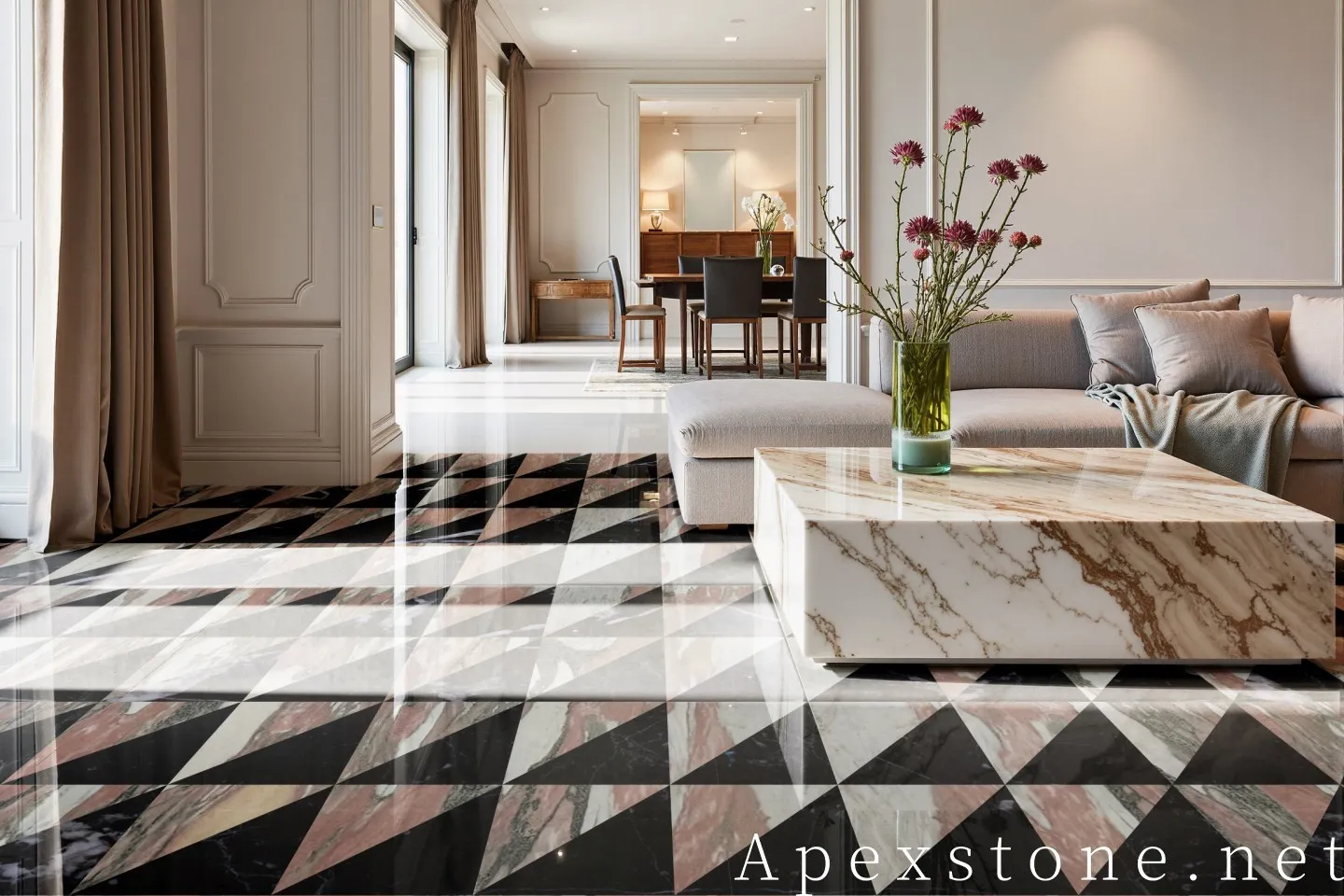
1. Buying: Key Factors to Verify Before Purchase
Rosa Norvegia Marble (also known as Norwegian Rose Marble) is prized for its soft pinkish tones, subtle veining, and natural elegance-but its "natural" 特性 also means variations and potential pitfalls. Focus on these aspects to avoid regrets:
A. Understand Rosa Norvegia Marble's Core Traits
First, confirm the marble's properties to ensure it fits your living room's use case:
Color & Veining Consistency: Rosa Norvegia typically has a light pink to rose base with gray or white veining. However, natural marble is not uniform-slabs from the same quarry can differ in hue (e.g., some may be paler, others more saturated) or veining pattern (e.g., thin lines vs. bold swirls).
Action: Ask the seller for actual photos of the specific slab/tabletop (not just stock images). If possible, visit the showroom to inspect the physical piece-this avoids receiving a table that clashes with your living room's color scheme (e.g., a too-bright pink table with cool-toned sofas).
Porosity & Hardness: Marble is a calcareous stone (composed of calcium carbonate), which means it is:
Porosity: Moderately porous-prone to absorbing liquids (e.g., coffee, wine, oil) and staining if unprotected.
Hardness: Relatively soft (Mohs hardness 3-4, vs. granite's 6-7)-susceptible to scratches from sharp objects (e.g., keys, knife blades) or impacts (e.g., dropping heavy items).
Relevance: A living room side table is often used for drinks, books, or decor-its porosity and softness mean you'll need proactive maintenance (see Section 3). If you prefer low-upkeep, confirm if the tabletop has a pre-applied sealant (most high-quality marble furniture does, but it's worth checking).
Authenticity: Avoid "fake marble" (e.g., porcelain, resin, or engineered stone labeled as "Rosa Norvegia"). Fake marble lacks the natural depth of real stone and may chip or fade faster.
How to verify: Ask for a stone certification (e.g., from the Marble Institute of America) or perform a simple test: Real marble will react to a drop of vinegar (it will fizz slightly, as vinegar dissolves calcium carbonate), while fake marble will not.
B. Evaluate the Table's Design & Practicality
A counter height side table (typically 34-36 inches tall) is taller than standard side tables-ensure it works for your living room's layout and use:
Size vs. Space: Measure your living room's available area (e.g., next to a sofa, armchair, or window) to avoid a table that's too large (cramping traffic) or too small (unusable for drinks/books).
Example: If your sofa is 84 inches long, a 18-24 inch wide table is proportional; a 30+ inch table may overwhelm the space.
Base & Stability: Counter height tables are taller, so stability is critical (to prevent tipping).
Check the base: Opt for sturdy materials like solid wood, metal (e.g., brushed brass, black steel), or marble (matching the top). Avoid flimsy, narrow bases (e.g., thin plastic or lightweight wood) that wobble when leaned on.
Test stability (if in-store): Gently push the table's edge-there should be no noticeable 摇晃.
Weight Capacity: Confirm the table's weight limit (usually listed in product specs). Counter height tables are often used for items like lamps, large books, or serving trays-ensure it can support 20-30 lbs (typical for living room use). Avoid overloading it with heavy objects (e.g., a 50-lb decorative vase) to prevent cracks in the marble.
Style Cohesion: Ensure the table complements your living room's decor:
Modern/minimalist: Pair with a sleek metal base (e.g., black powder-coated steel) for contrast.
Traditional/elegant: Choose a solid wood base (e.g., oak, walnut) with carved details.
Bohemian: Opt for a marble top with a woven rattan or terracotta base.
C. Check Quality & Seller Reliability
Craftsmanship of the Tabletop: Inspect the marble surface for flaws:
No visible cracks, chips, or pits (small holes) in the marble.
Smooth, even edges (avoid rough or uneven trimming-this indicates poor manufacturing).
Seamless joins (if the tabletop is made of multiple marble pieces-seams should be barely visible).
Seller Reputation: Buy from a reputable retailer (specialty furniture stores, stone dealers, or trusted online platforms like Wayfair, West Elm) to avoid low-quality products or scams.
Read reviews: Look for feedback on marble quality (e.g., "veining matched photos") and durability (e.g., "no scratches after 6 months").
Warranty: Ask for a warranty (ideally 1-2 years) covering manufacturing defects (e.g., cracked marble, unstable base). Avoid sellers with no warranty-they may not stand behind their products.
Pricing: Rosa Norvegia Marble is a premium material-expect to pay $300-$800+ for a counter height side table (depending on size, base material, and brand). Be wary of prices that are too low (e.g., under $200)-this may indicate fake marble or poor craftsmanship.
2. Installation: What to Prepare for Delivery & Setup
Unlike wall tiles or countertops, a marble side table is a ready-to-use furniture piece-but proper delivery and placement are still key to avoiding damage:

A. Pre-Delivery Prep
Measure Entryways & Pathways: Marble tables are heavy (a 24-inch top can weigh 50-80 lbs, plus the base). Ensure your front door, hallways, and staircases (if applicable) are wide/tall enough to fit the table.
Example: A standard interior door is 30 inches wide-confirm the table's packaging (or assembled width) is ≤28 inches to avoid getting stuck.
Clear the Placement Area: Remove obstacles (e.g., rugs, decor, small furniture) from the path to the living room. Cover floors with a soft blanket or cardboard to prevent scratches from the table's base during moving.
Level the Floor: Marble is rigid-if your living room floor is uneven, the table will wobble (which can stress the marble and cause cracks over time). Use a level tool to check the floor; if uneven, place small felt pads (or shims) under the base to stabilize it.
B. Delivery & Assembly Tips
Professional Delivery: If the table is heavy or requires assembly (e.g., base + top), opt for professional delivery (many retailers offer this for a fee). Professionals will handle the marble safely (to avoid chips) and assemble it correctly.
DIY Assembly (if possible): If assembling yourself:
Wear gloves to avoid leaving fingerprints on the marble (oils from hands can stain unsealed stone).
Use the provided hardware (e.g., screws, brackets) and follow the manual-over-tightening screws can crack the marble top or base.
Have a helper lift the marble top onto the base (never lift it alone-marble is heavy and slippery when wet).
3. Maintenance: Preserve the Marble's Beauty Long-Term
Rosa Norvegia Marble's soft pink hue and veining can fade or stain without proper care-follow these rules:
A. Daily Care
Dust Regularly: Use a soft, dry microfiber cloth (avoid rough sponges or paper towels) to dust the tabletop-abrasive materials can scratch the surface.
Clean Spills Immediately: Marble absorbs liquids quickly-wipe up spills (coffee, wine, soda, oil) with a damp, soft cloth within 1-2 minutes. Avoid rubbing the spill (this spreads it); blot gently instead.
Avoid Harsh Cleaners: Never use acidic or abrasive cleaners (e.g., vinegar, lemon juice, bleach, ammonia, or scouring pads). These will etch the marble (leave dull, white marks) or dissolve its sealant.
Safe cleaner: Mix warm water with a few drops of mild dish soap (e.g., Dawn) and wipe with a damp cloth-dry immediately with a microfiber towel to prevent water spots.

B. Regular Protection
Re-Seal Annually: Even if the table comes pre-sealed, the sealant wears off over time (especially with frequent use). Re-seal the marble top once a year to maintain its stain resistance:
Choose a high-quality, penetrating sealer for marble (e.g., Miracle Sealants 511 Porous Plus-available at home improvement stores).
Follow the sealer's instructions: Clean the table first, apply a thin layer with a foam brush, let it sit for 5-10 minutes (don't let it dry), then wipe off excess with a clean cloth.
Use Coasters & Placemats: Always place coasters under drinks (even water-mineral deposits can leave rings) and placemats under books, lamps, or decor. This prevents scratches, stains, and heat damage (e.g., a hot mug can etch the marble).
Felt Pads for Decor: If placing decorative items (e.g., vases, candle holders) on the table, attach small felt pads to their bottoms-this avoids scratching the marble when moving them.
C. Addressing Common Issues
Etch Marks (Dull Spots): Caused by acidic spills (e.g., lemon juice). For light etch marks, use a marble polishing powder (e.g., Tenax Marble Polishing Powder) mixed with water to make a paste-apply with a soft cloth, rub gently in circular motions, then rinse and dry. For deep etch marks, hire a professional stone restorer.
Scratches: Light scratches can be buffed out with marble polish (follow product instructions). Deep scratches (visible to the touch) require professional repair-avoid DIY sanding (this can ruin the marble's finish).
Stains: If a stain sets (e.g., oil from a candle), make a "poultice" to draw it out:
Mix baking soda with a few drops of water to make a thick paste.
Apply the paste to the stain, cover with plastic wrap (tape the edges to hold it), and let it sit overnight.
Remove the wrap and paste, then clean the area with mild soap and water. Repeat if the stain remains.


