

large grey Marble wall staircase
Aug 28, 2025
Before purchasing Silver Breccia Marble for a large staircase wall, focus on 3 critical areas-buying checks (material, aesthetics, quality), installation requirements (structural safety, fit), and maintenance rules (preserving marble & wall integrity)-to ensure it's durable, visually cohesive, and safe for high-traffic spaces.

1. Key Checks Before Buying
Marble Quality & Authenticity:
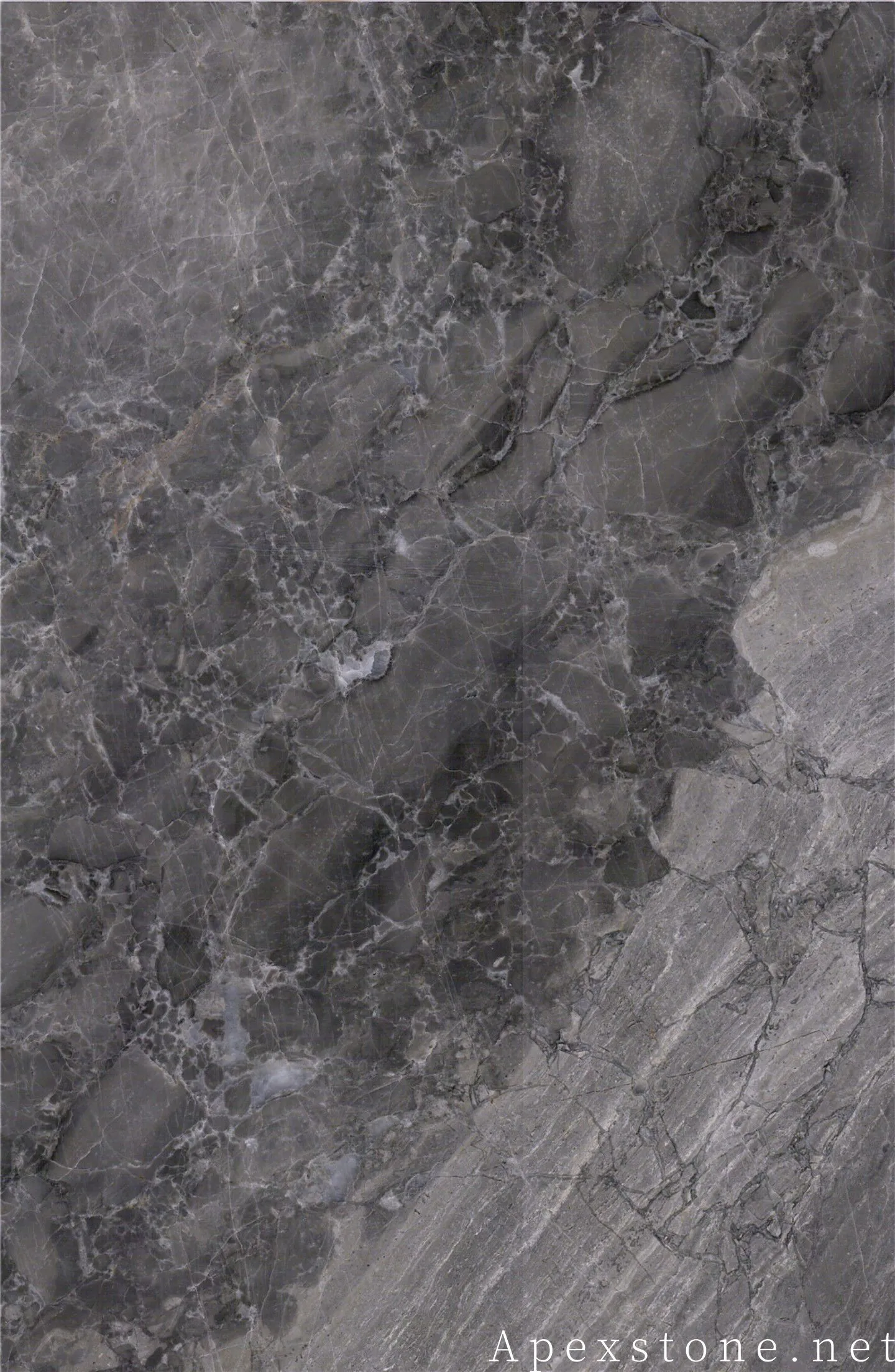
Confirm natural Silver Breccia Marble (not veneer/artificial): Inspect slabs for consistent grey veining (no abrupt cuts or repetitive patterns, which signal fakes). Check for "vein matching" if using multiple slabs-request a "layout plan" to ensure veining flows seamlessly up the staircase (avoids a disjointed look).
Avoid flaws: Reject slabs with large cracks, uneven thickness (should be 3/4–1 inch for wall applications), or excessive "fillers" (visible patches that may dislodge over time, especially near stairs).
Slab Size & Quantity:
Measure the staircase wall precisely (height from floor to ceiling, width per step section) to calculate slab needs. Account for 5–10% extra material for cuts, waste, or replacements (critical for large walls).
Opt for larger slabs (e.g., 3x8 ft) where possible-fewer seams mean a cleaner look (seams are more noticeable on tall staircase walls).
Finish Selection:
Choose a finish suited to stairs: Polished (sleek, reflective) adds elegance but shows fingerprints; honed (matte) hides smudges better. Avoid tumbled finishes (too rough) as they catch dust and are harder to clean on vertical surfaces.
2. Installation Requirements (Staircase-Specific)
Structural Prep (Non-Negotiable):
The staircase wall must be level, dry, and structurally sound-hire a contractor to inspect it first. If the wall is uneven (common in older homes), apply a cement backer board or leveling compound to create a flat base (marble adheres poorly to uneven surfaces).
Weight support: Natural marble is heavy (~15–20 lbs/sq ft). Ensure the wall's studs can handle the load-add extra studs (16 inches on center) if needed, and use marble-specific adhesive (epoxy or thinset mortar) for secure bonding (never use regular wall glue).
Professional Installation:
Hire installers experienced in large marble wall/staircase projects: They'll handle precise cutting (for step corners, outlets, or trim), seam alignment (use color-matched epoxy for invisible seams), and edge finishing (bullnose or beveled edges to avoid sharp corners near stairs).
Sealing Before Installation: Apply a penetrating, waterproof sealer to slabs before mounting-this prevents moisture from seeping into marble (critical if the staircase is near exterior doors or bathrooms).
3. Maintenance Rules
Regular Cleaning:
Dust the wall weekly with a soft, dry microfiber cloth (avoids scratching polished/honed surfaces). For smudges or light dirt, wipe with a damp cloth and pH-neutral marble cleaner (avoid acidic products like vinegar or lemon-they etch marble and dull the finish).
Re-Sealing:

Reseal the marble every 1–2 years (test with water: if it beads, no need; if it soaks in, reseal). Focus on seams and edges-these areas are more prone to moisture penetration. Use a non-yellowing, marble-specific sealer.
Prevent Damage:
Avoid impacts: Keep furniture (e.g., moving boxes, vacuum cleaners) away from the wall-marble chips easily, and repairs on large walls are costly.
Address stains immediately: Blot spills (e.g., coffee, makeup) with a dry cloth first (don't wipe, which spreads the stain), then clean with marble cleaner. For oil-based stains, use a marble poultice (follow product instructions).
Trim & Sealant Checks:
Inspect caulking around edges (e.g., where marble meets the ceiling or stairs) yearly-replace cracked/peeling caulking to prevent moisture damage behind the wall.


